R25
«The image becomes matter.»
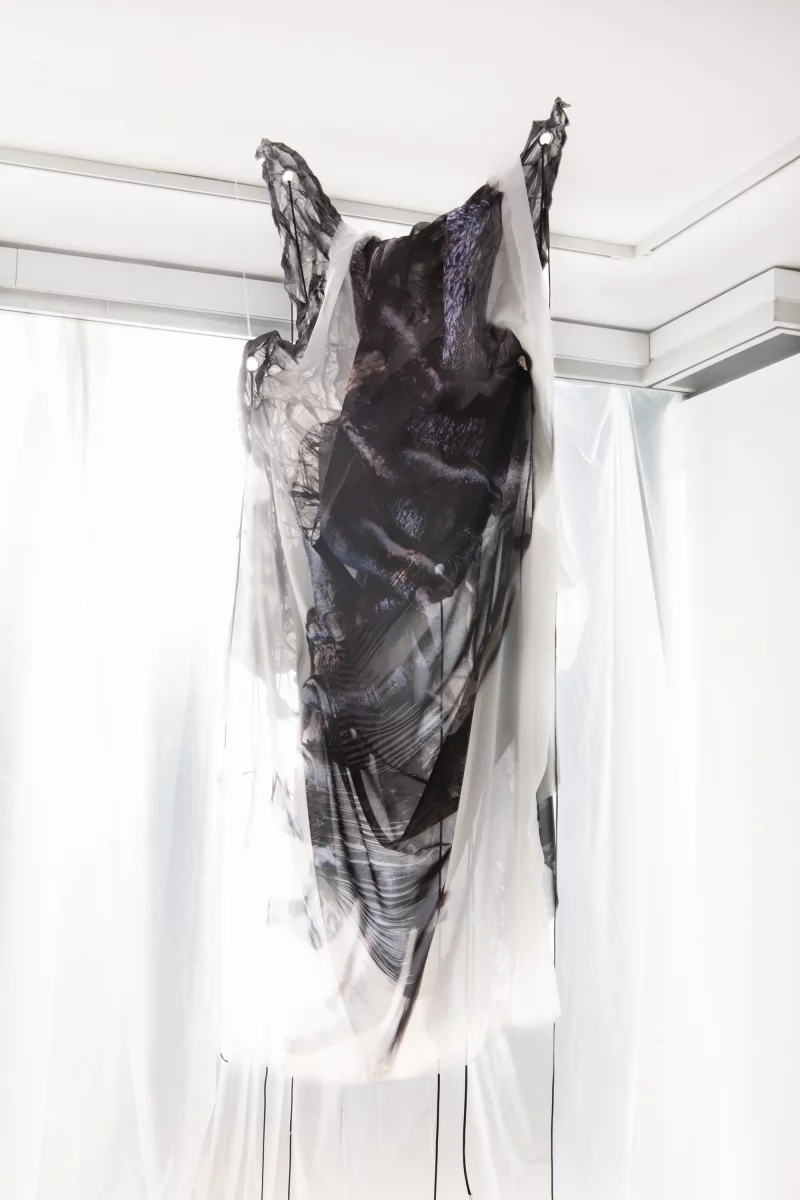
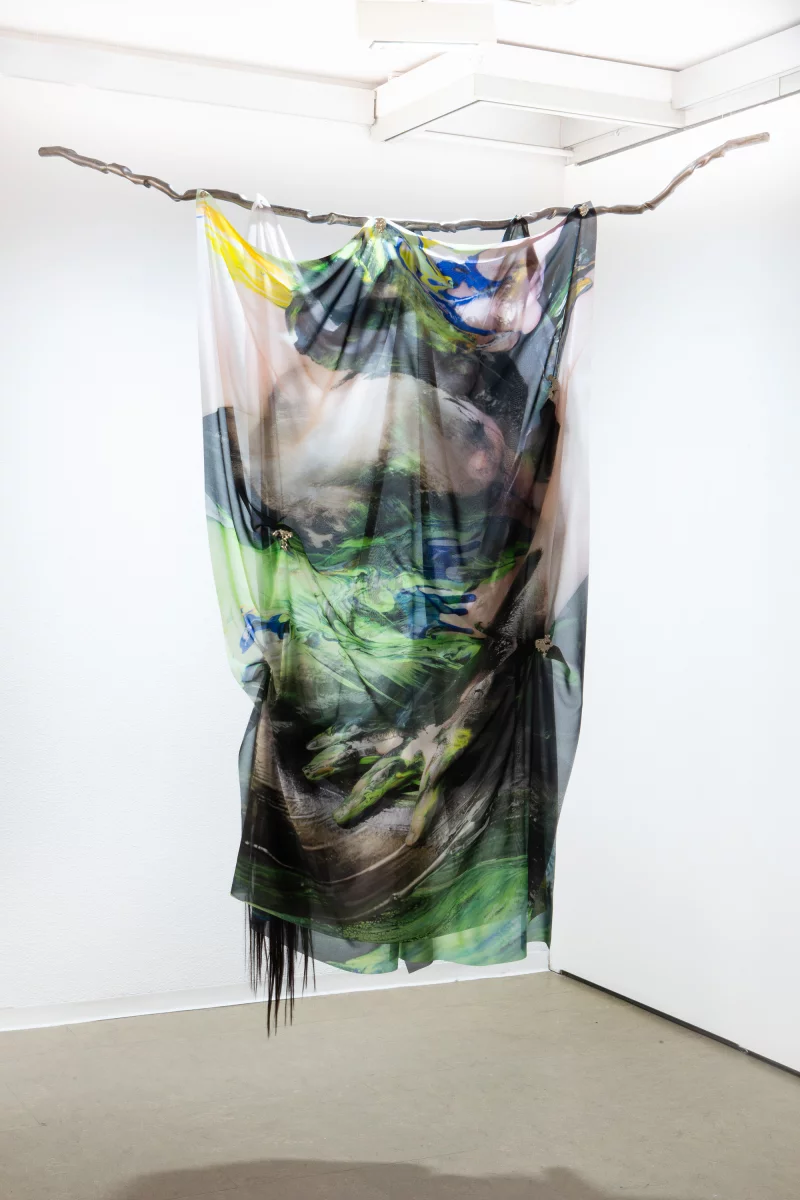
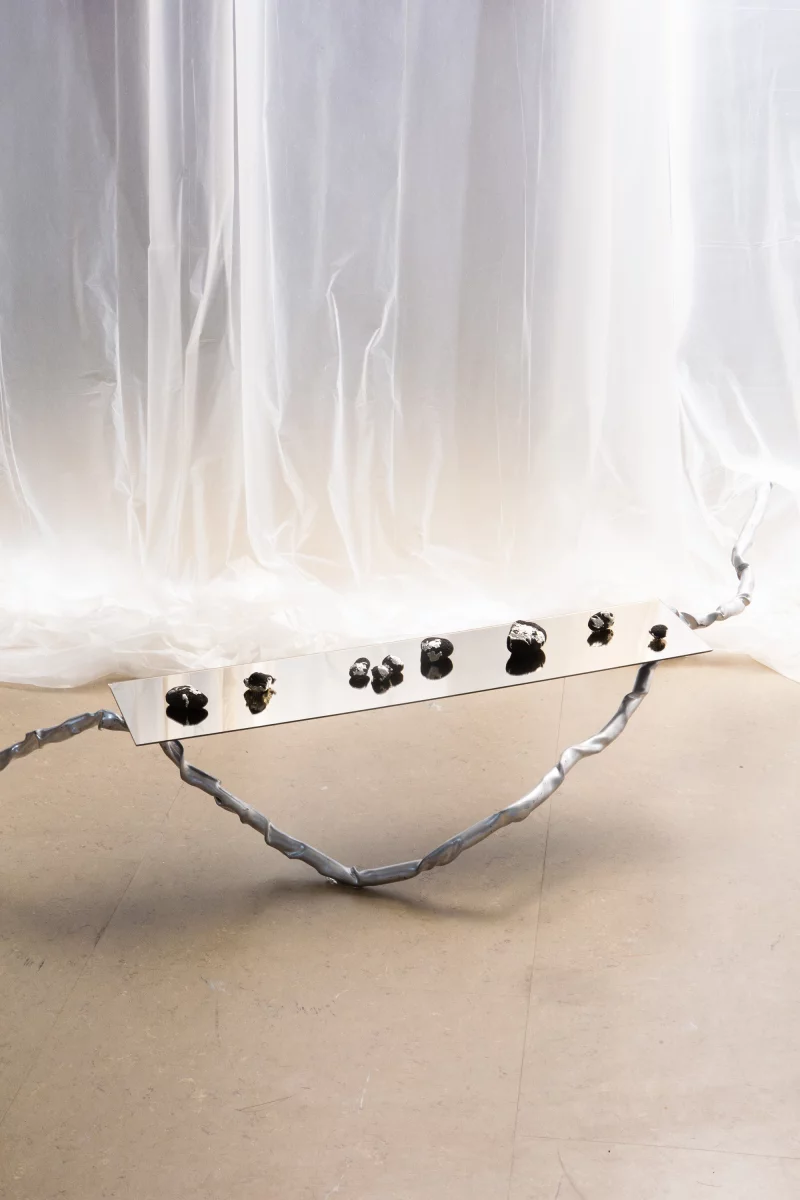
The tenderness of complicity
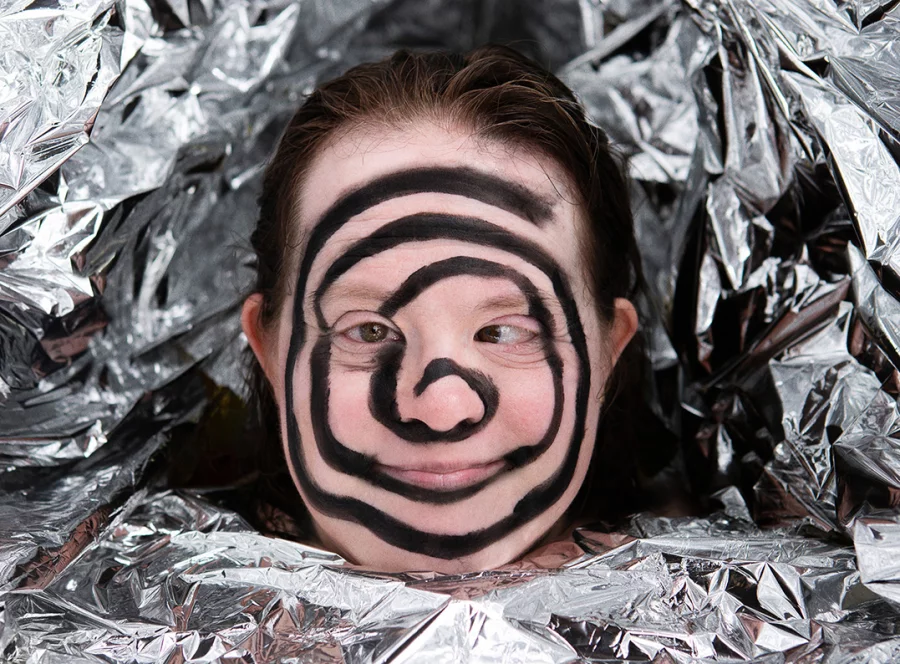
Laetitia Bica was told she had no place in the world of fashion, and in fashion photography specifically. Because her body refuses to conform to the narrowness of imposed norms, she believes that, on the contrary, she has everything to do there. She positions herself against "the commerce of self-loathing that leads us to hate ourselves."1
Since then, she has combined fashion, art, design, and performance not only to transcend ostensibly separate fields,
but also to open up the space of representation. She acts through reappropriation: of images, materials, bodies, domains of expertise, assignments, norms, and spaces. The artist creates portraits of people marginalised by dominant thinking — people considered as belonging to "minorities". And yet all these people form an overwhelming majority on the human scale. They are the actors of a boundless ecosystem where each person can exist according to their own choices, affirmations, and vulnerabilities. Bodies are at the heart of these complicit relationships.
By extension, clothing and textile materials more broadly find an important place there.
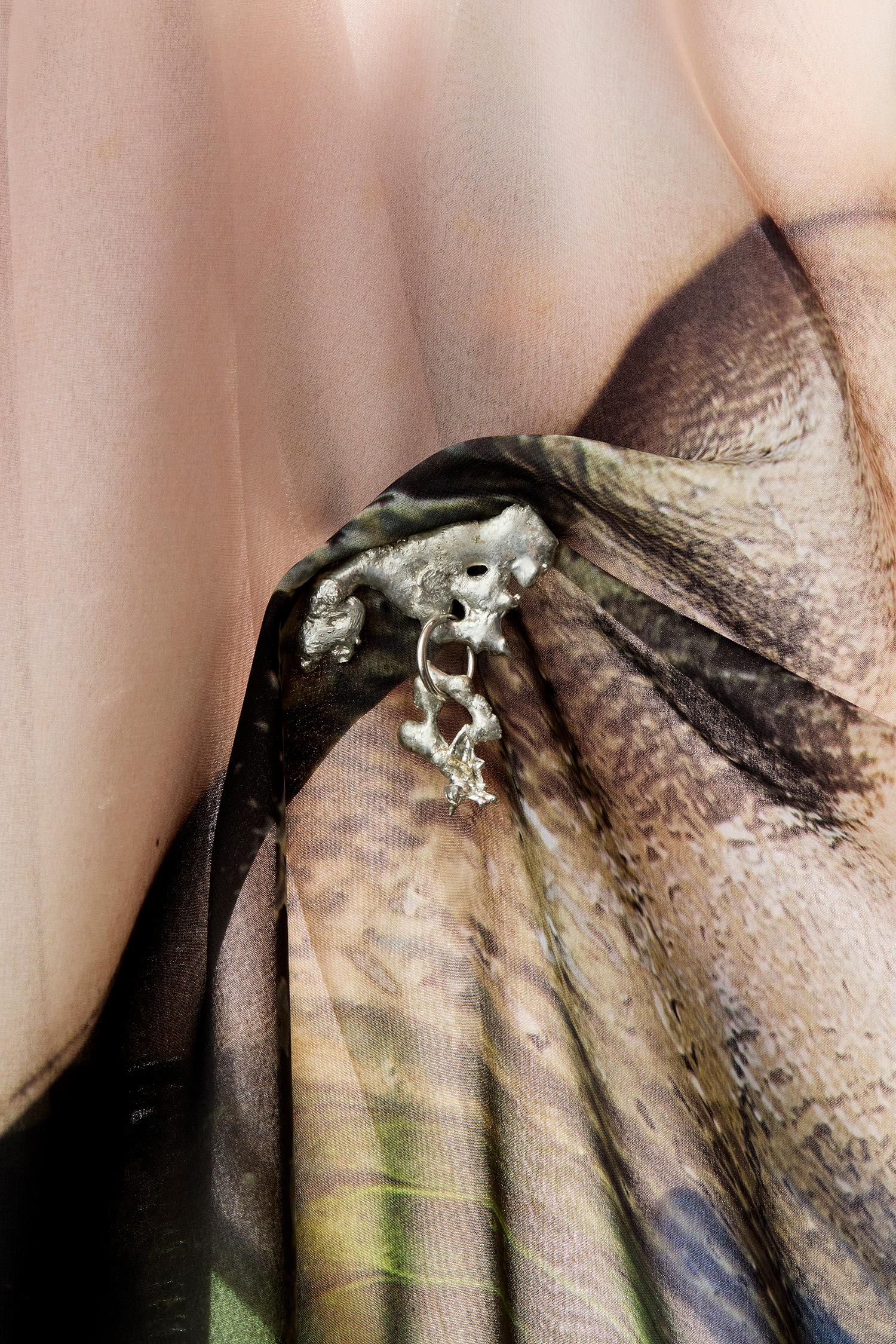
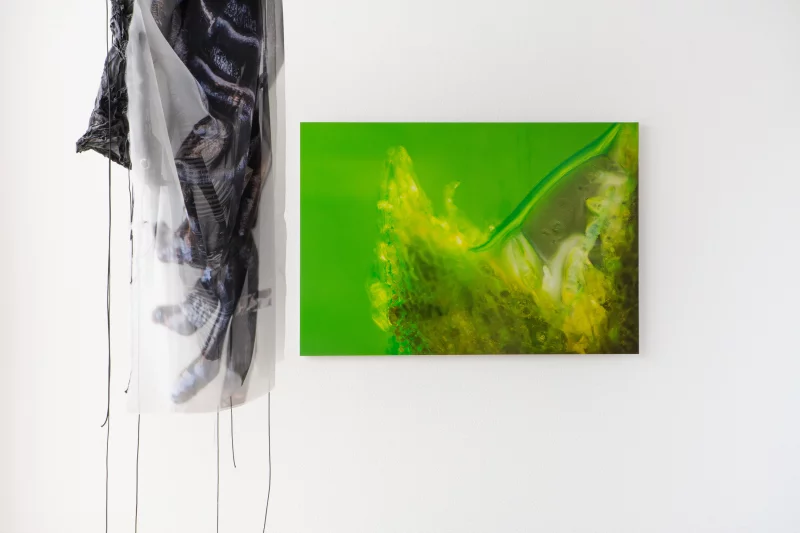
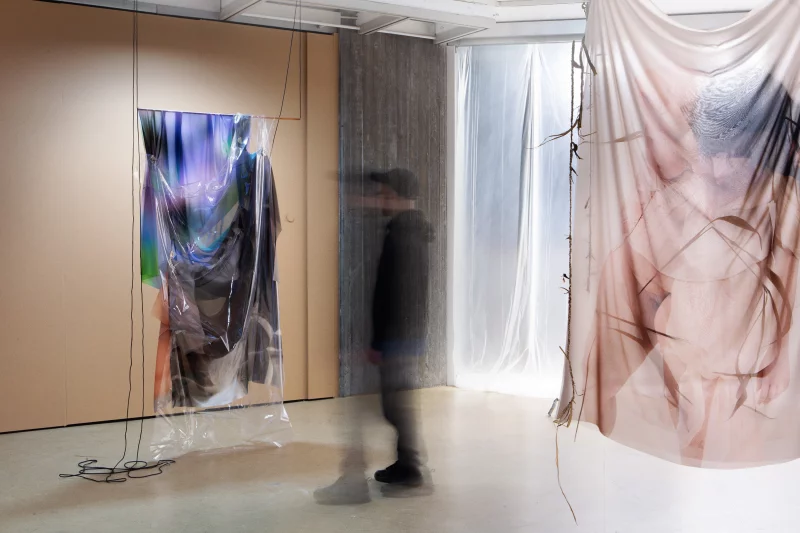
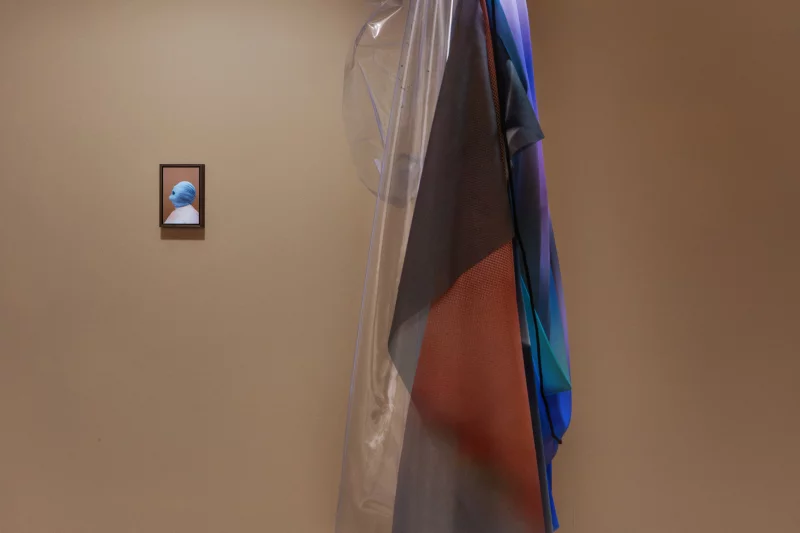
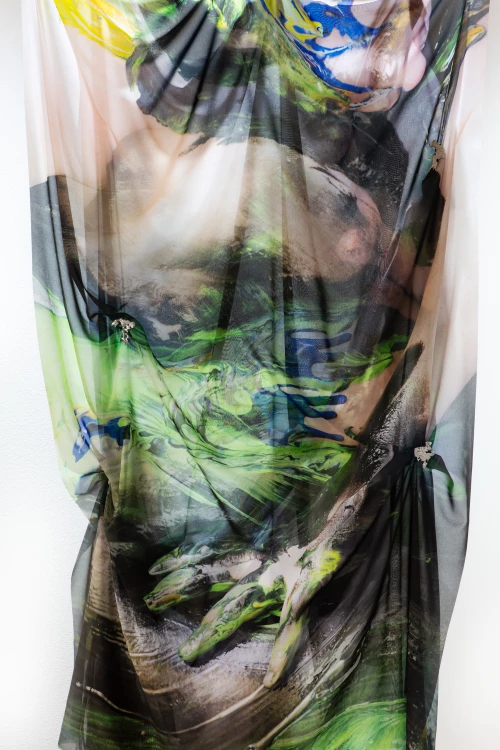
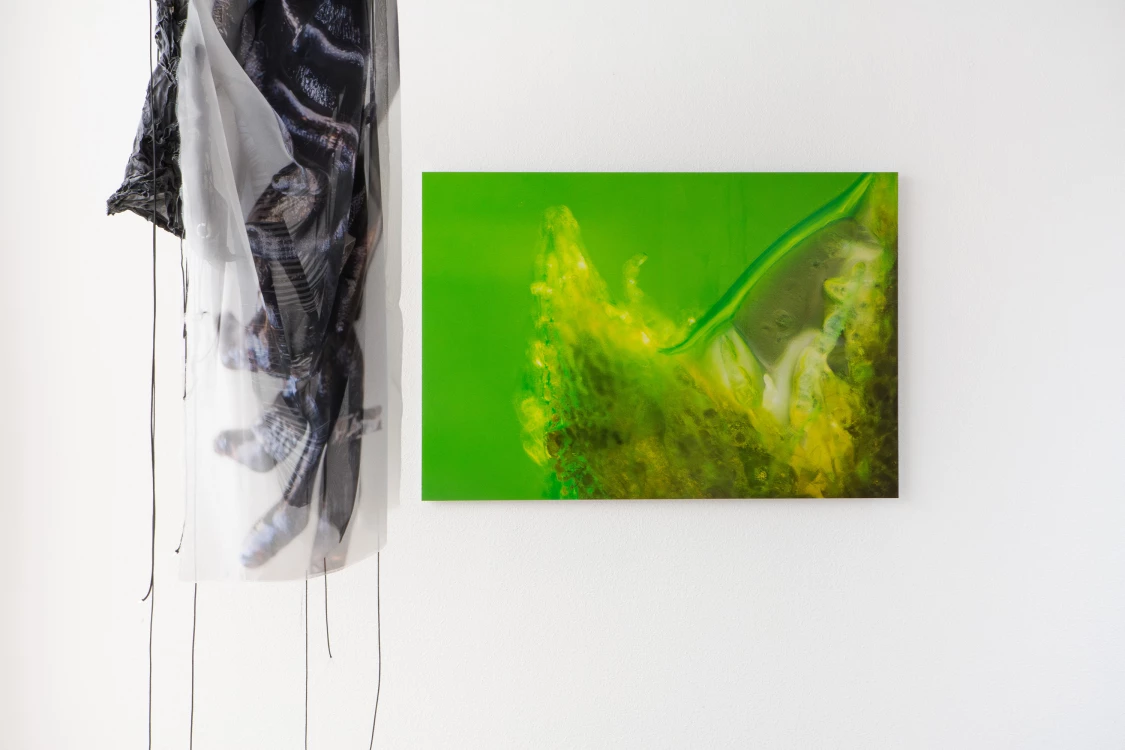
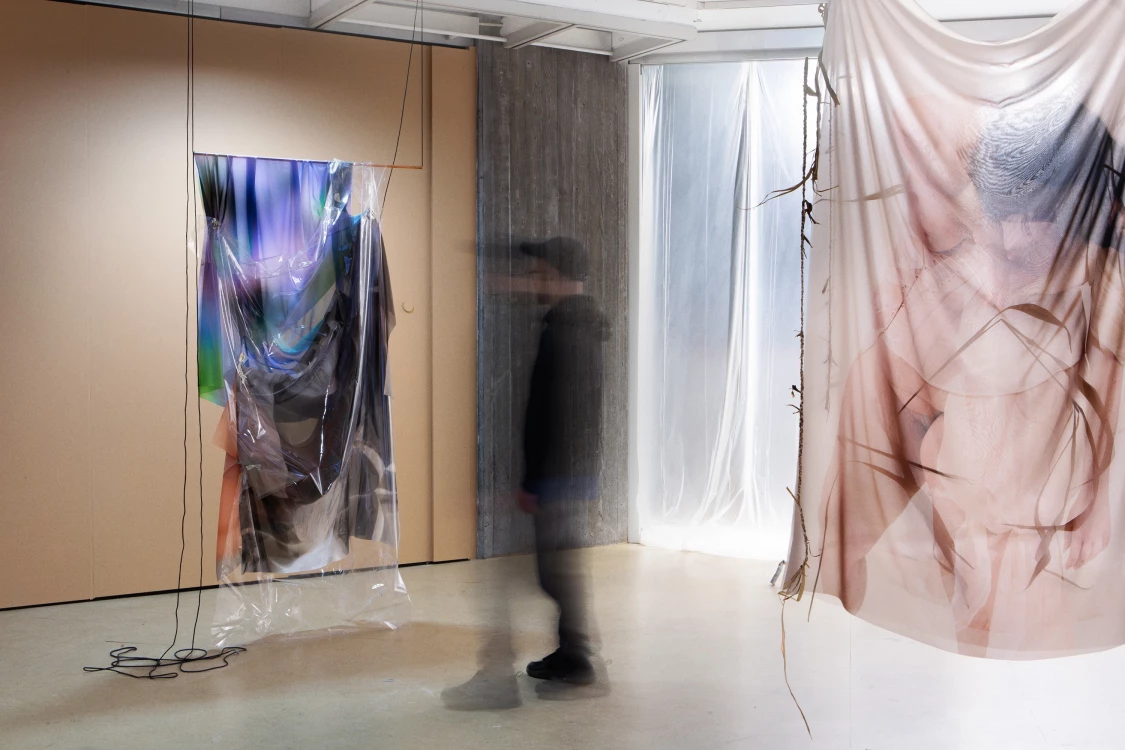
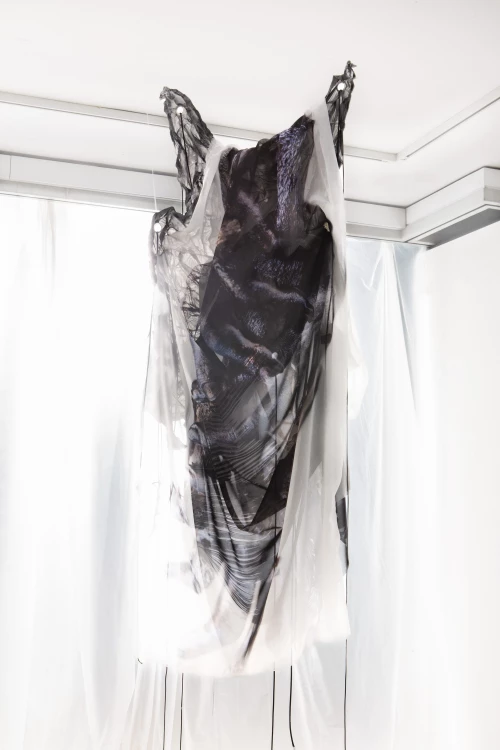
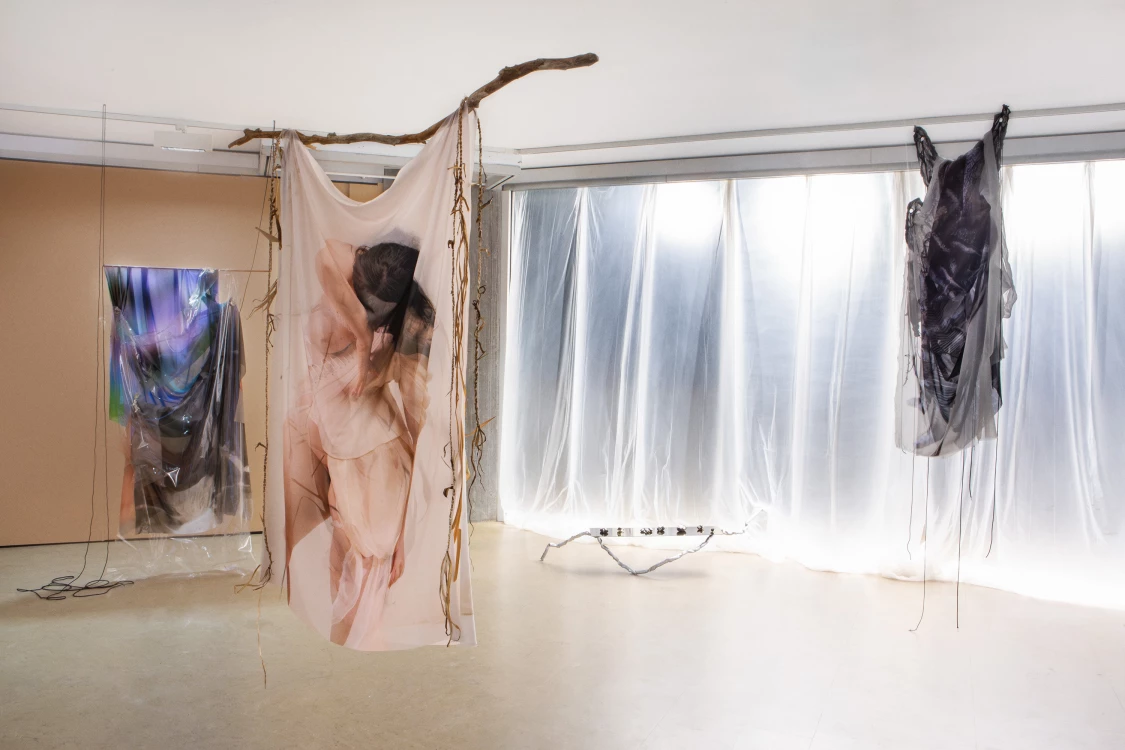
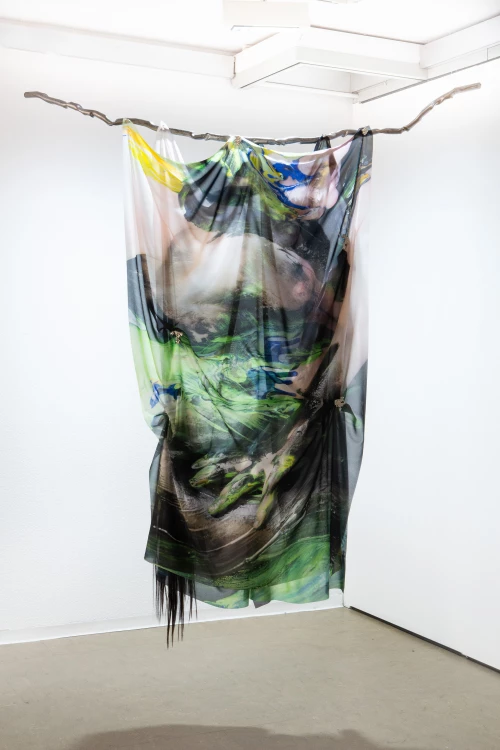
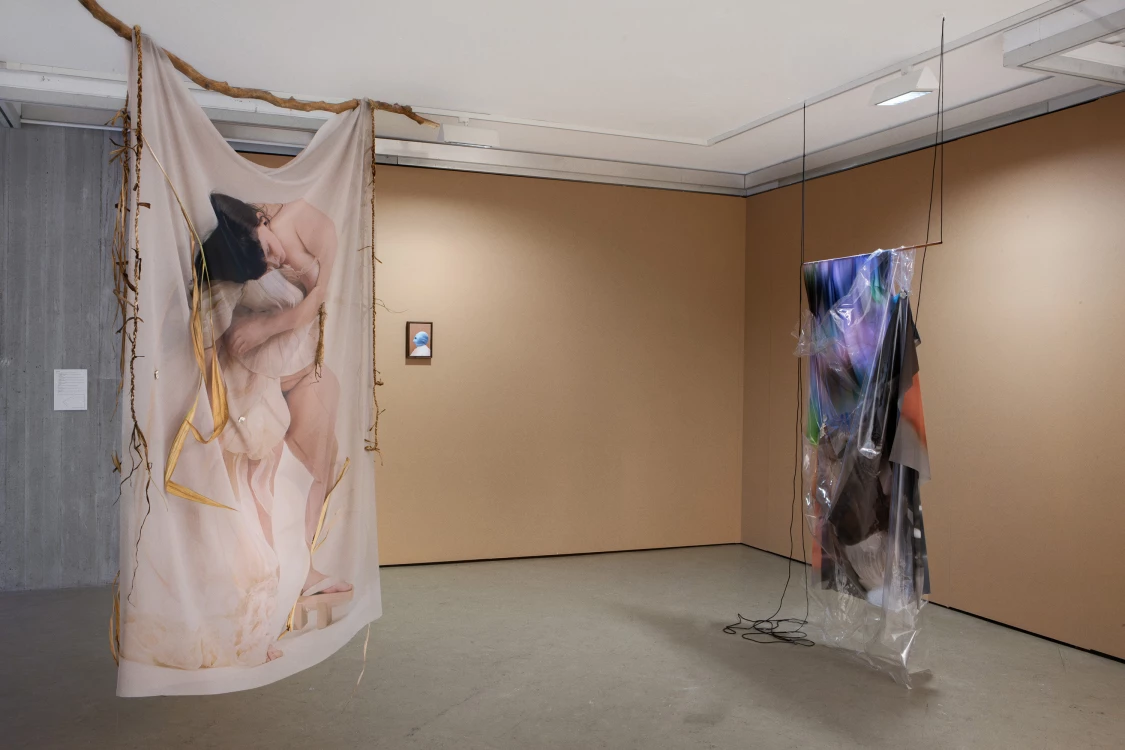
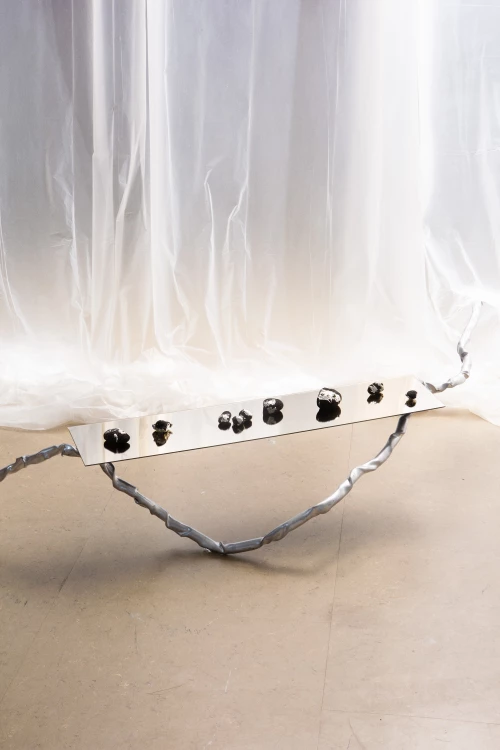
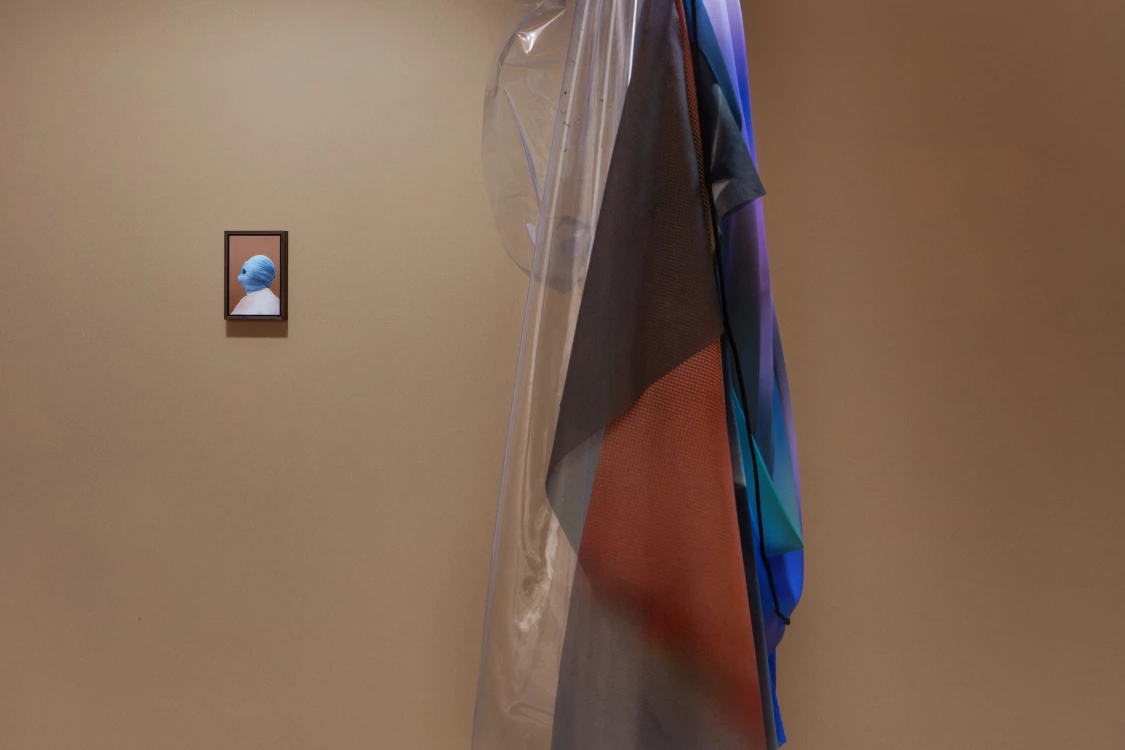
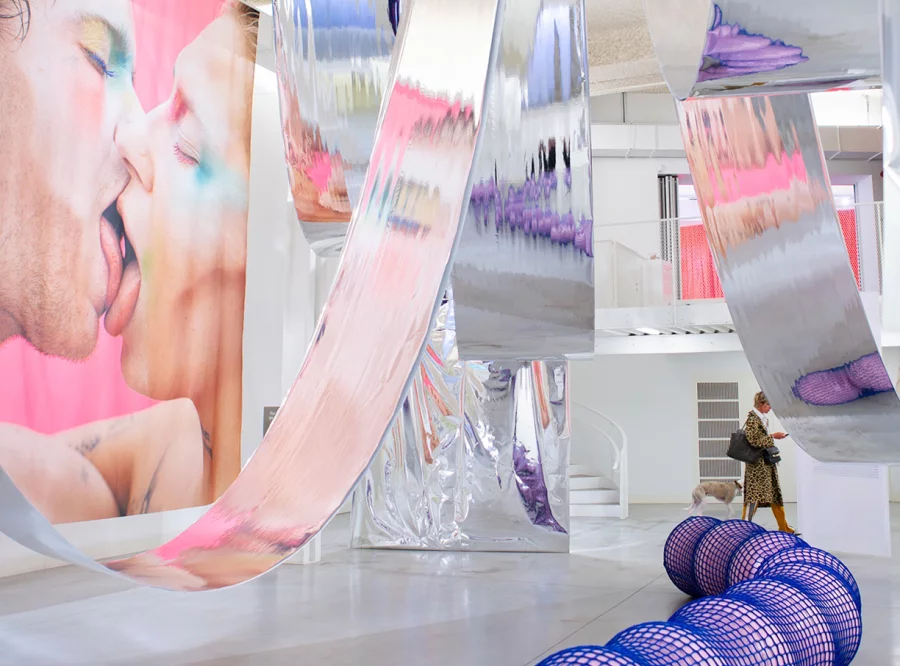
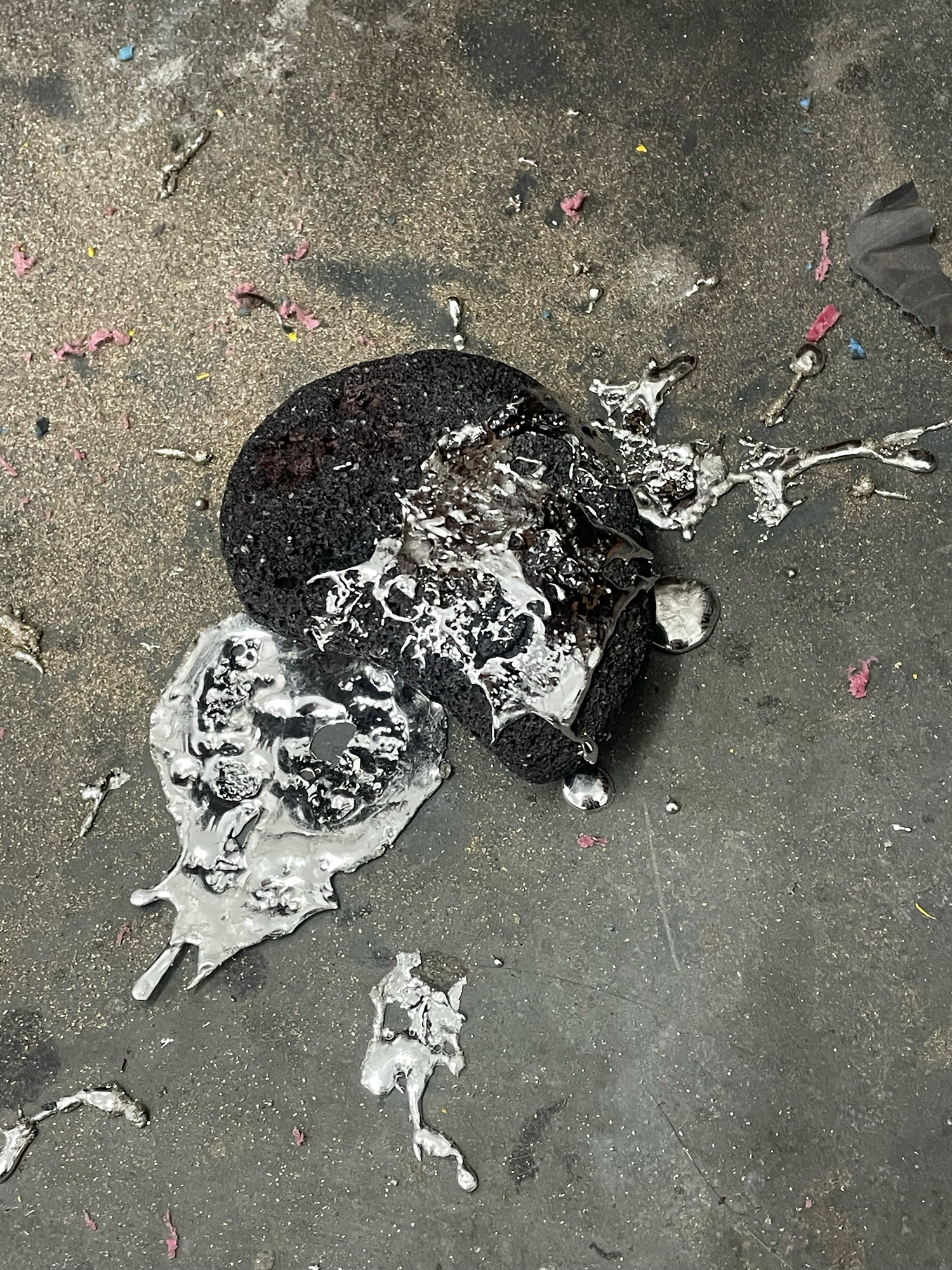
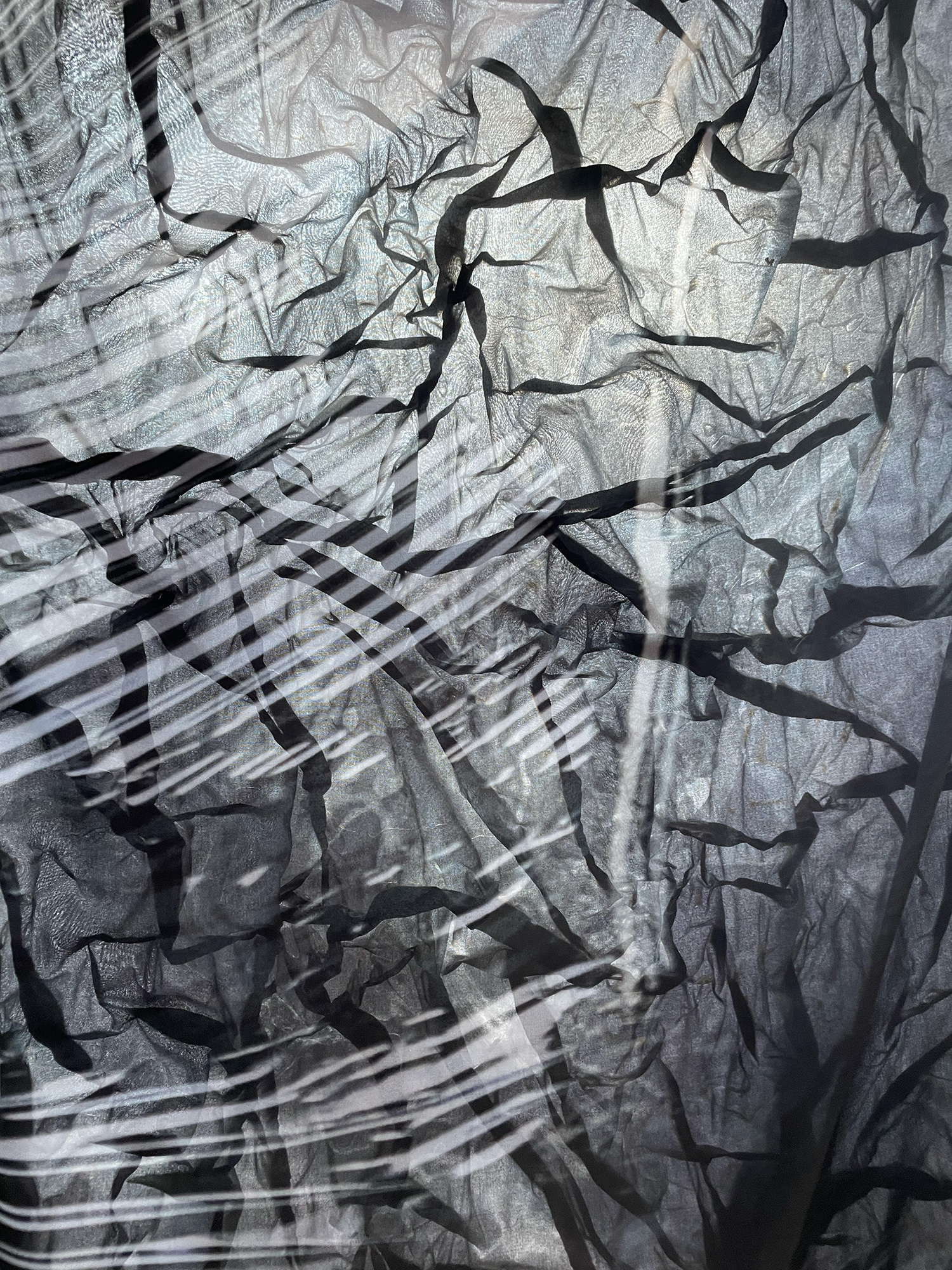
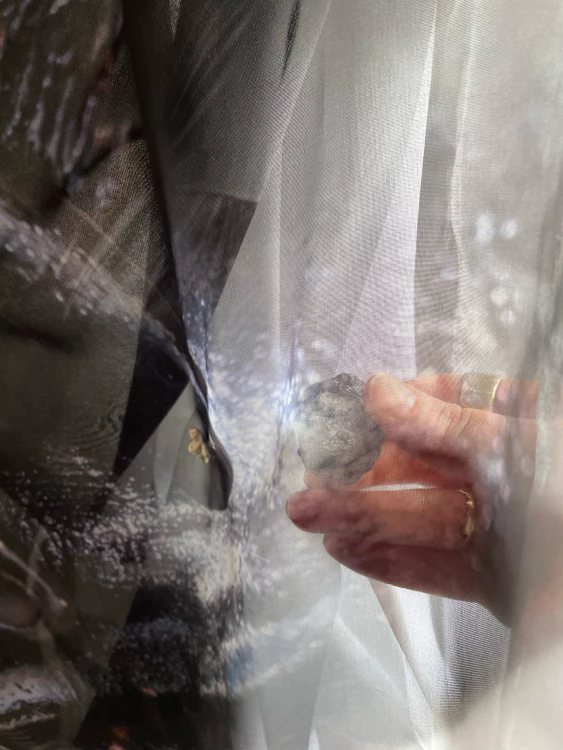
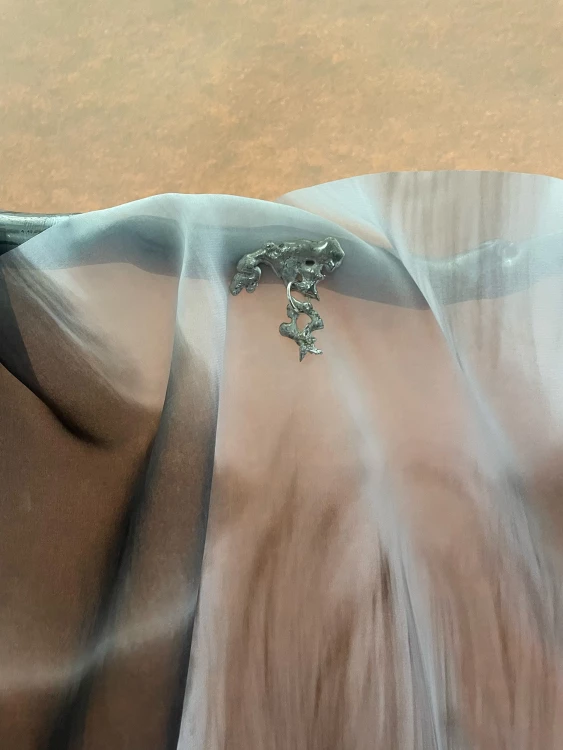
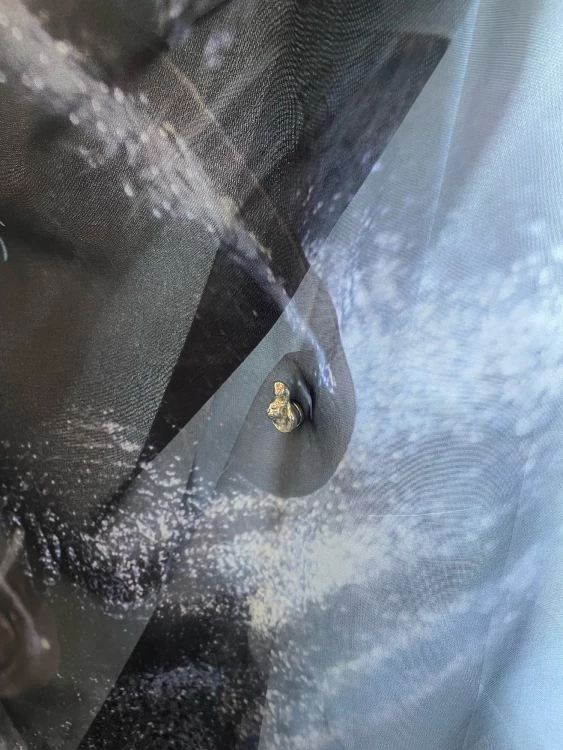
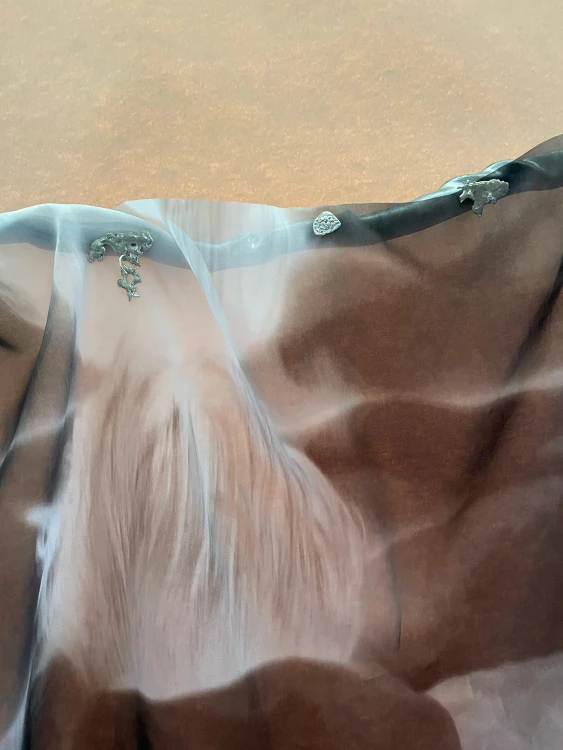
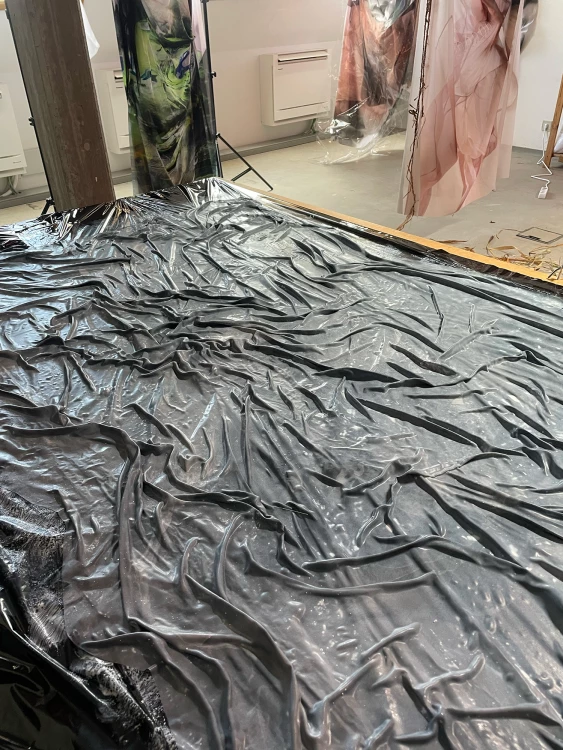
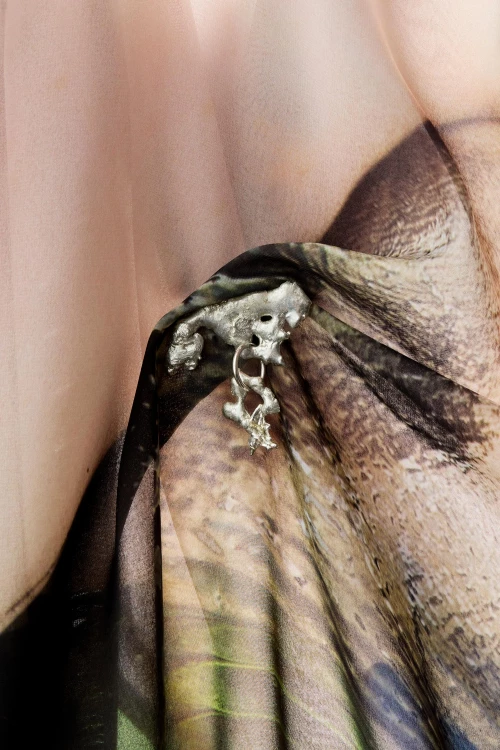
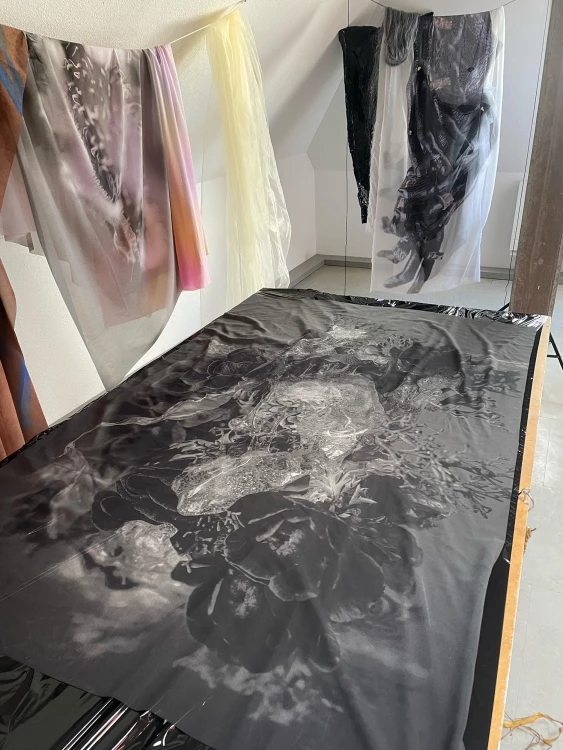
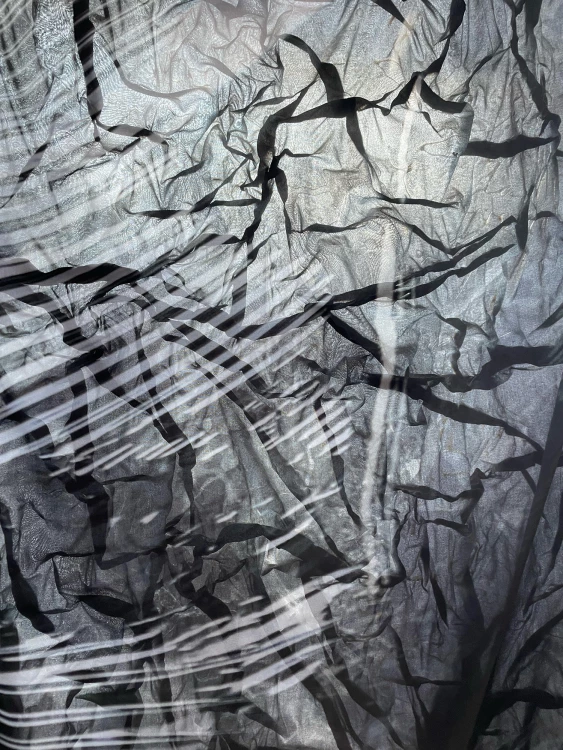
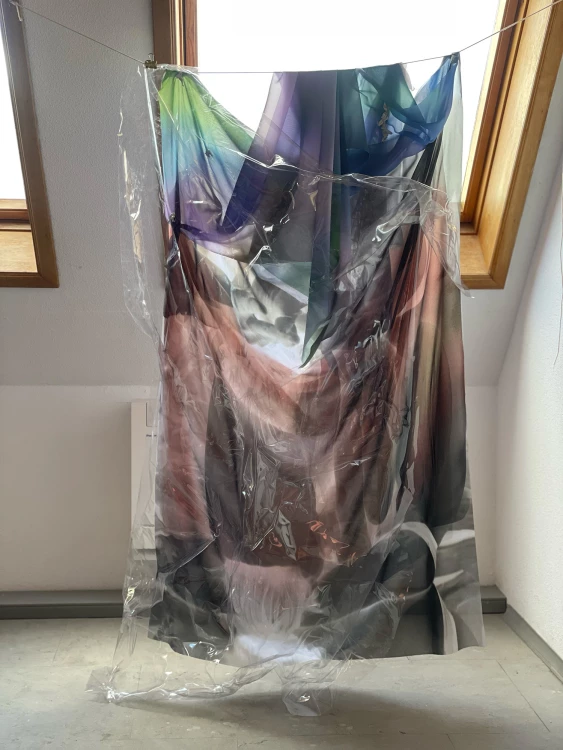
During her residency at TAMAT in Tournai, Laetitia Bica explores in multiple ways the transfer of her photographs onto the surface of textiles with diverse properties. "The image becomes matter." She works with folds, draping, form (and formlessness), movement, and light. The artist is drawn to the fluidity and sensuality of these lightweight materials, which allow a constant metamorphosis of images. She chooses to work with expanses of muslin veils, envisioning them as skins, spectral bodies, sensory presences. She
doubles them to generate mutations, to accentuate also a desirable monstrousness of bodies. These supple works embody the notion of the living so dear to the artist. Indeed, before being individuals filed into categories and standards that limit our imaginaries, we are above all living beings — human and non-human alike. Laetitia Bica also tends to extend her reflection to inter-species relations, hybridisations, coexistences, and interdependencies. Her works thus carry a performativity that creates present, visible, and invisible complicities. Aware that "dissident existences are disturbing", the artist immerses herself in what is common — in co-creation, tenderness, listening, and joy. The philosopher Paul B. Preciado says: "everything is a question of energy. Joy can also be learned. Joy is a life technology. And also, joy is a technique of resistance. [...] That is where art is fundamental to me, as a bulwark against sadness. Because art is always a strategy of joy."2 In a perspective that is as emotional as it is militant, Laetitia Bica creates a joyful, free, chosen, proud, and uninhibited collective space of representation.
1 The artist's quotes are drawn from a conversation held on 19 June 2025.
2 BAZIN, Appoline. Interview with Paul B. Preciado. Manifesto.XXI, 29 June 2020.
Documentation Credits
- Text
- Julie Crenn
- residency
- TAMAT
Project produced during the artistic research and experimentation residency at TAMAT (tapestry museum of Tournai).
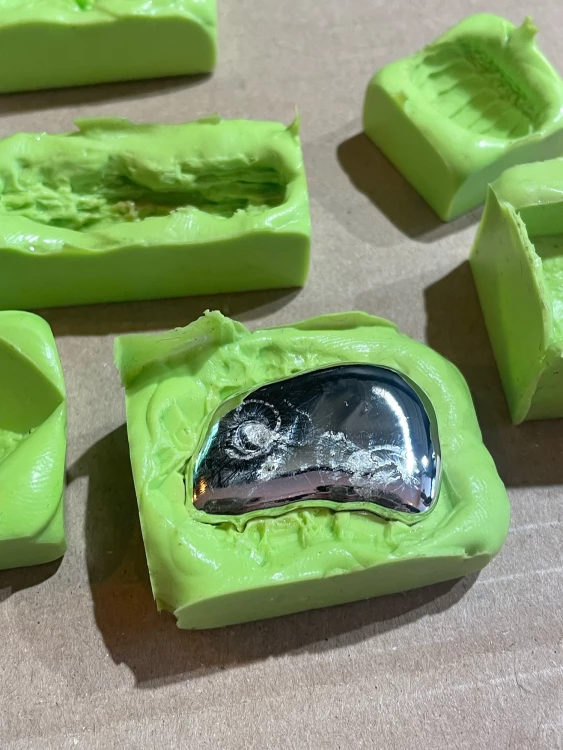
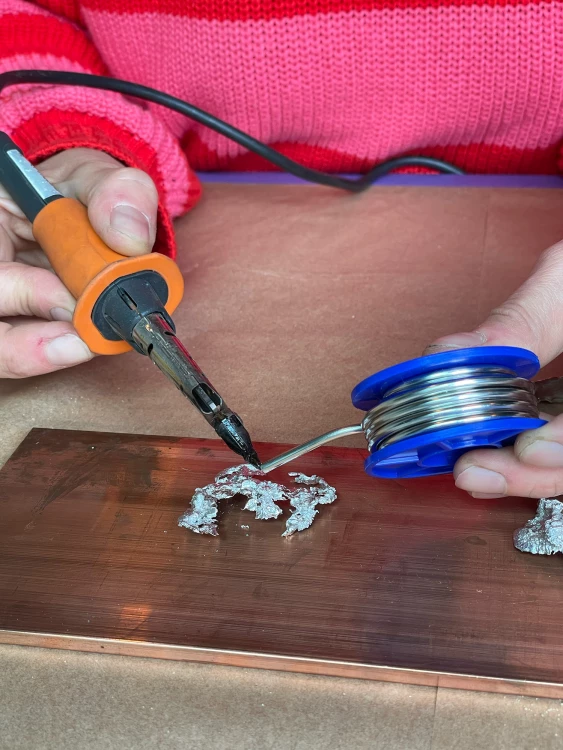
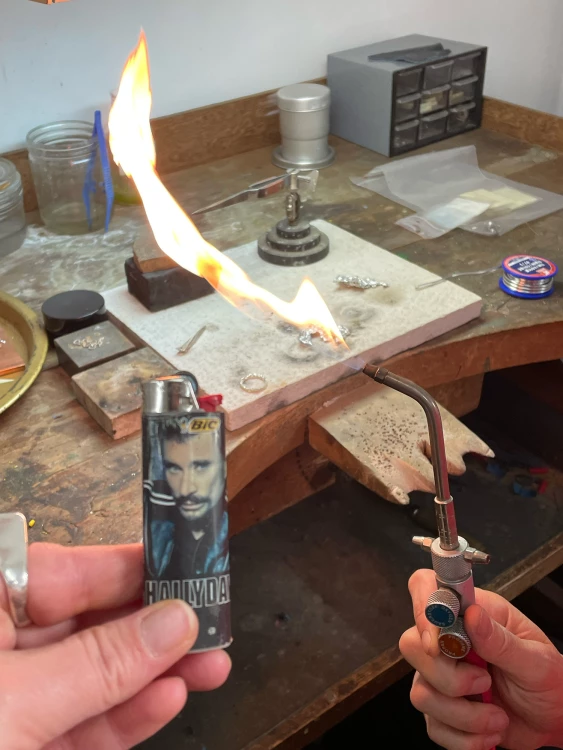
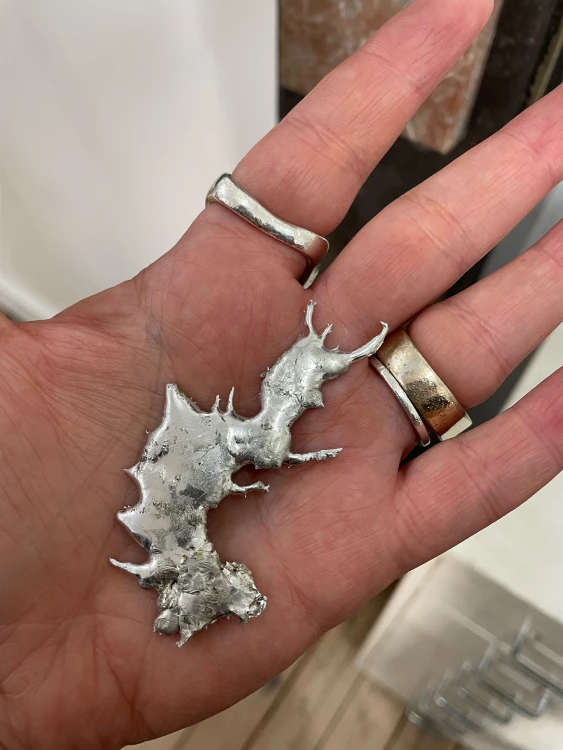
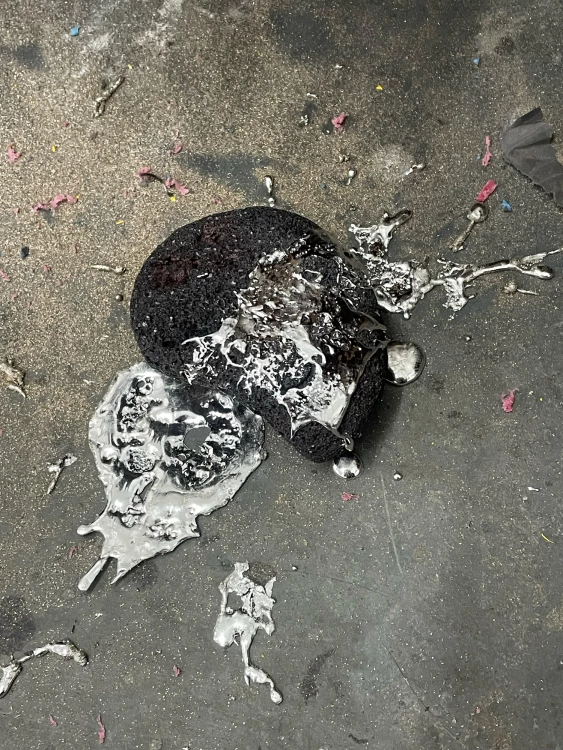
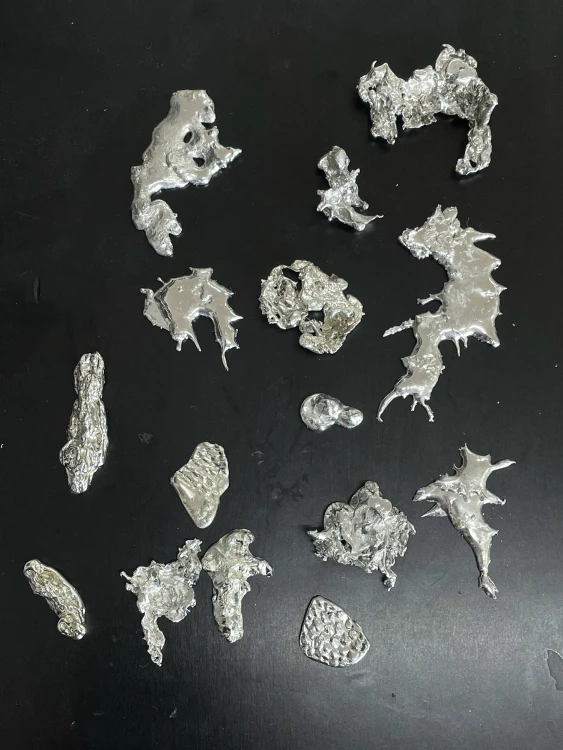
Thanks to Marie Artamonoff for the co-creation work on the jewellery.